
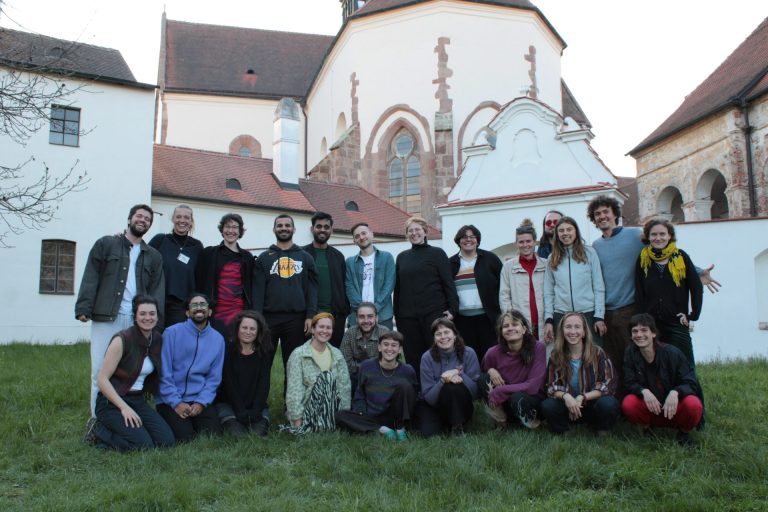
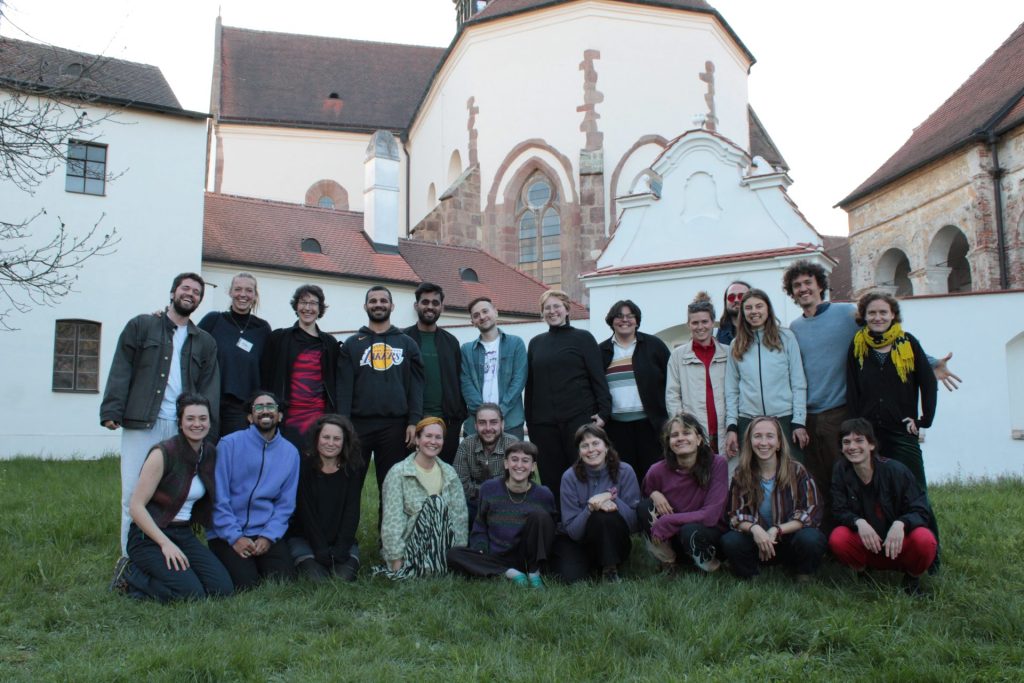
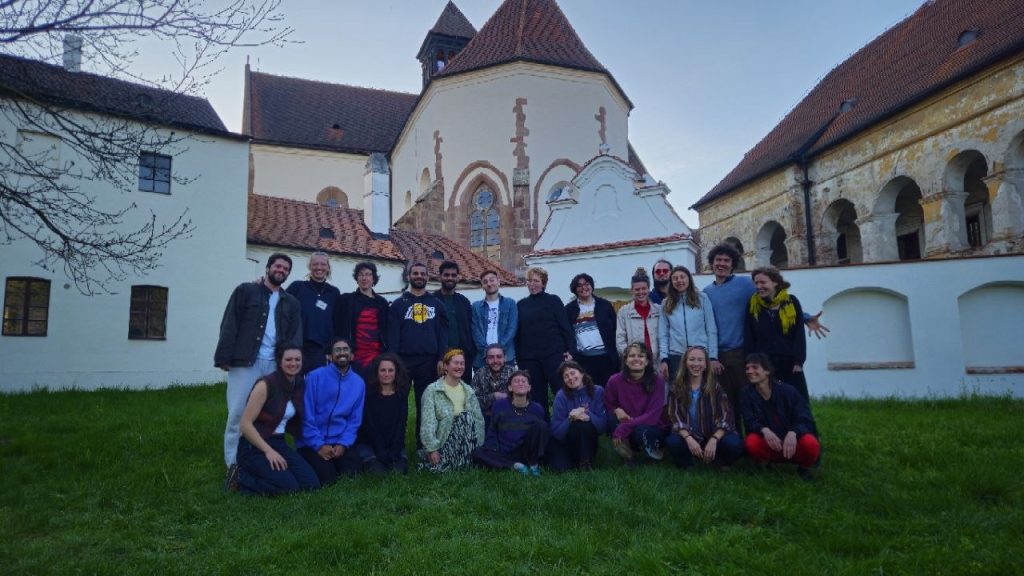
From April 19th to 24th, 27 participants of the Training Course series Group Facilitation Path gathered in Předklášteří, Czech Republic, for the second mobility, named Group Dynamics in Action. The project brought together youth workers, educators, facilitators, and community organisers from across Europe to strengthen the skills needed to create safer, braver, and more participatory learning spaces.
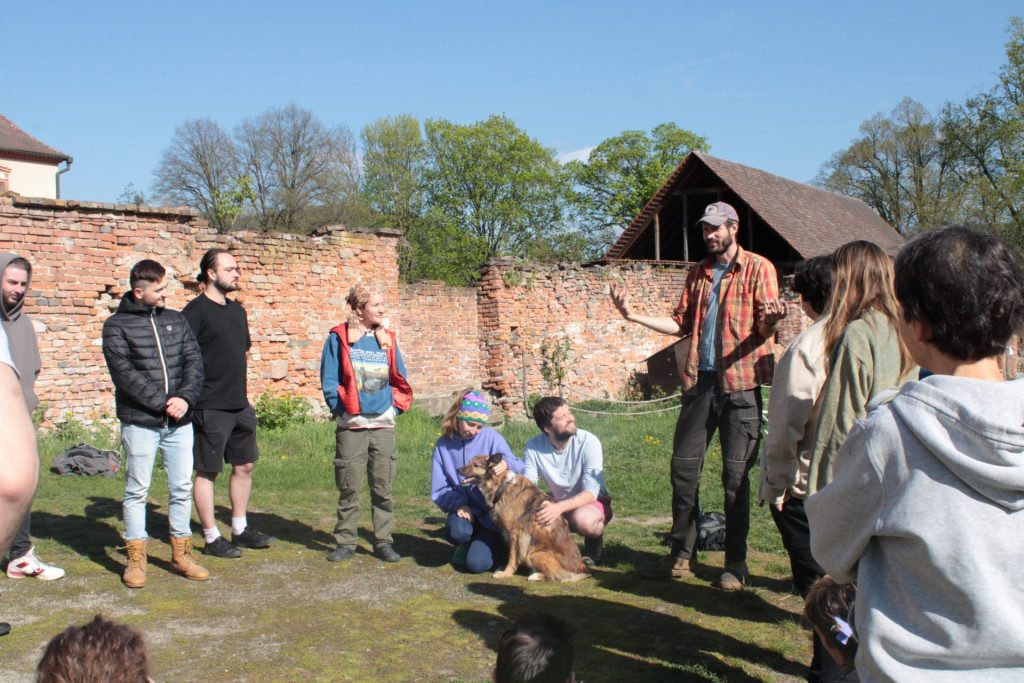
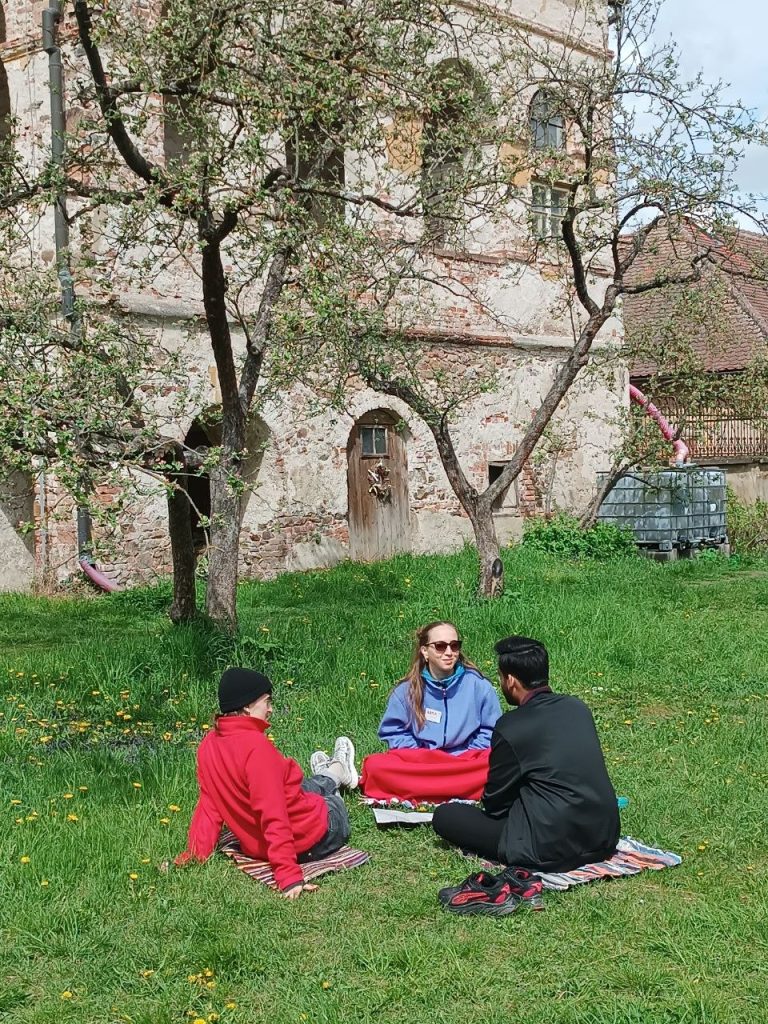
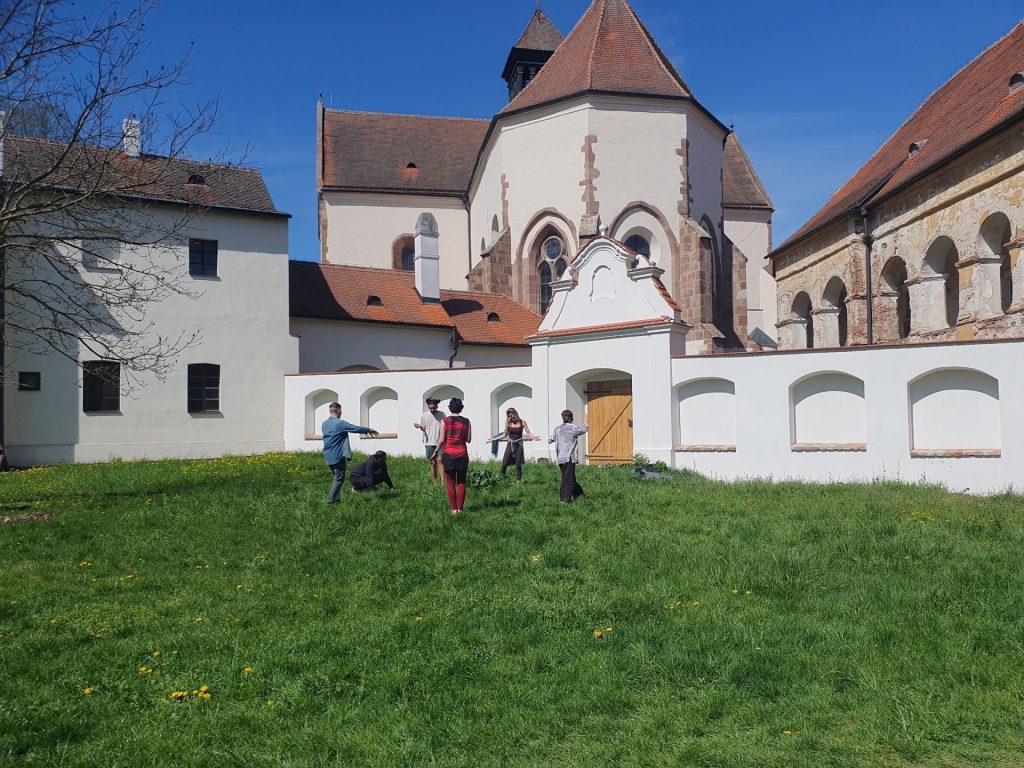
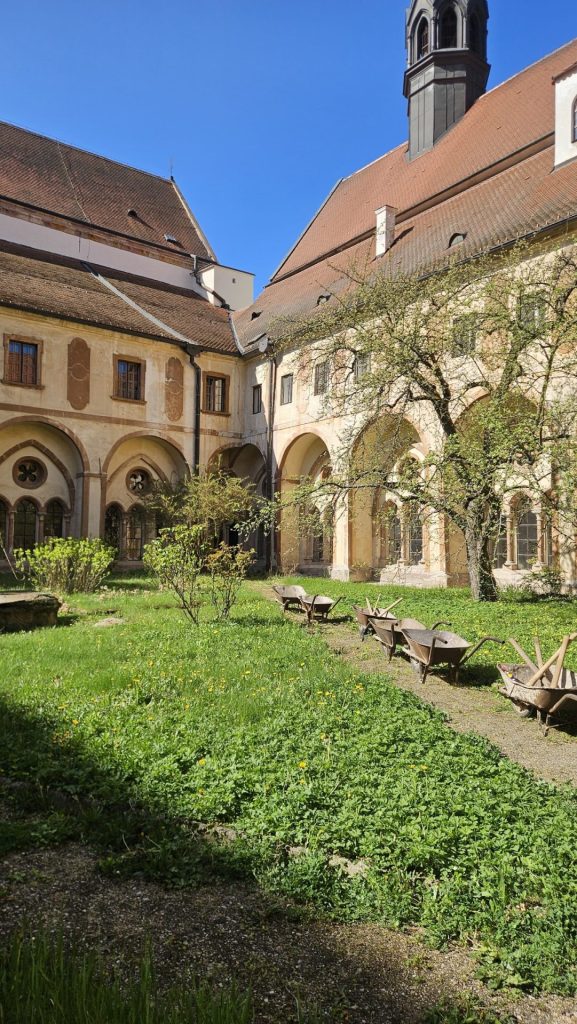
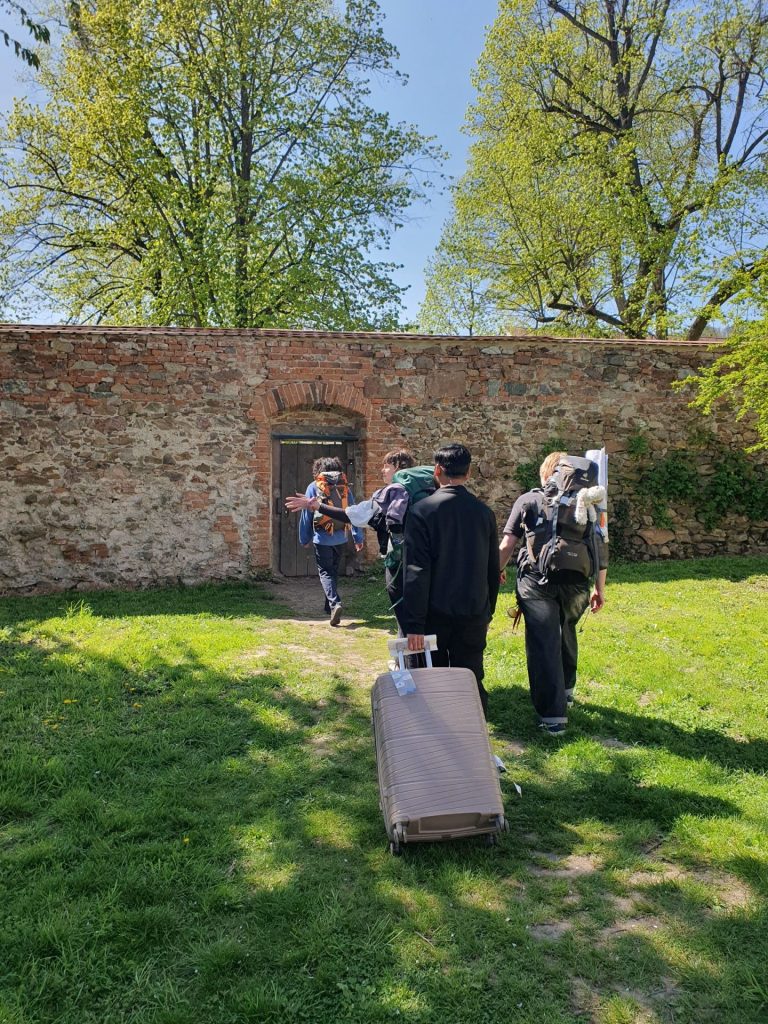
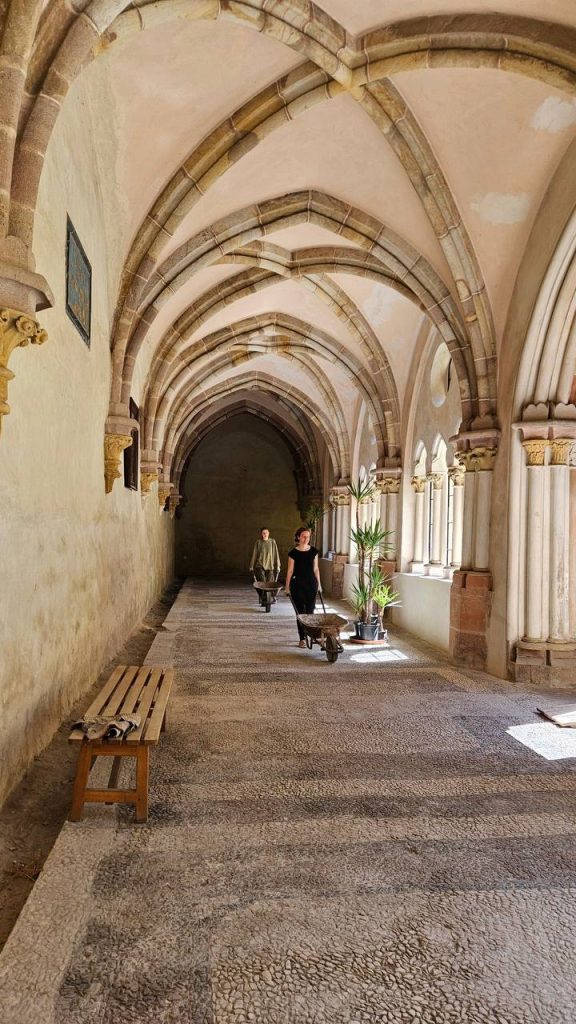
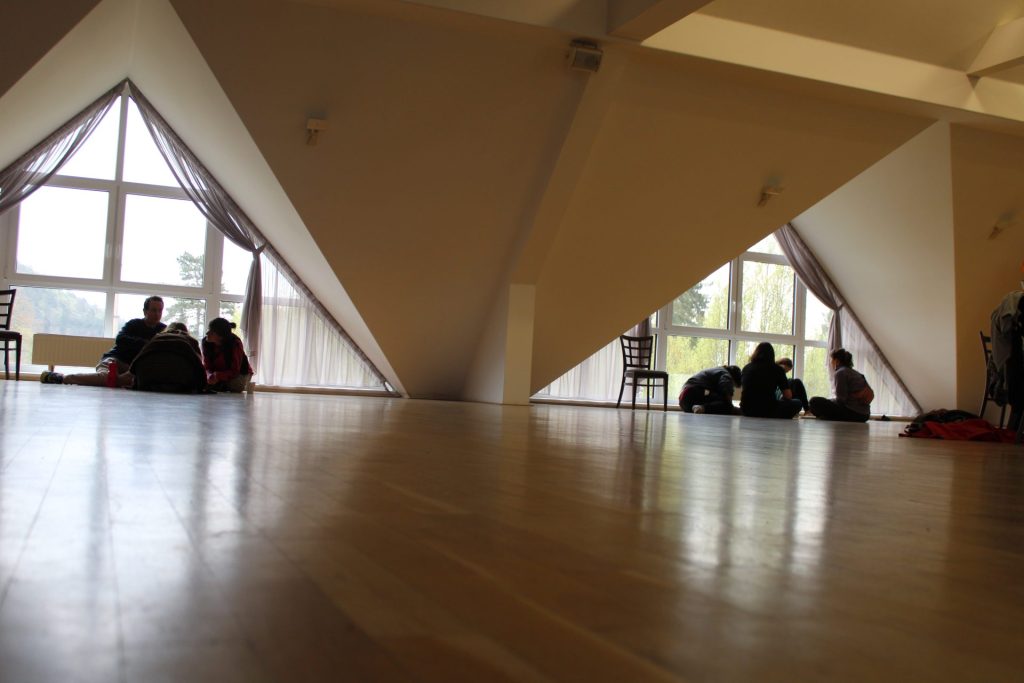
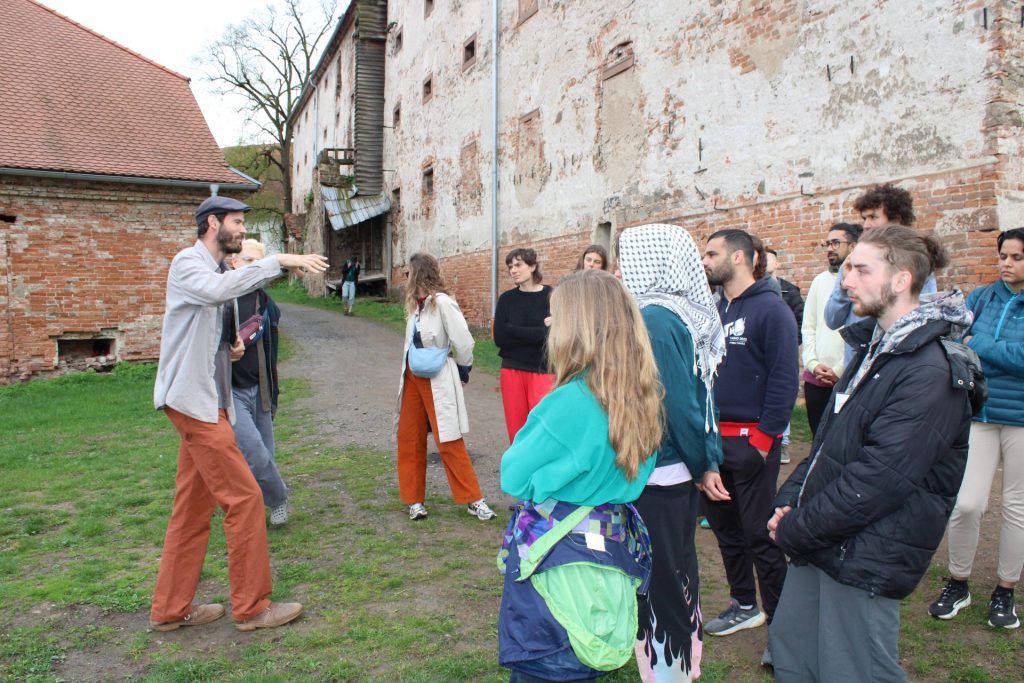
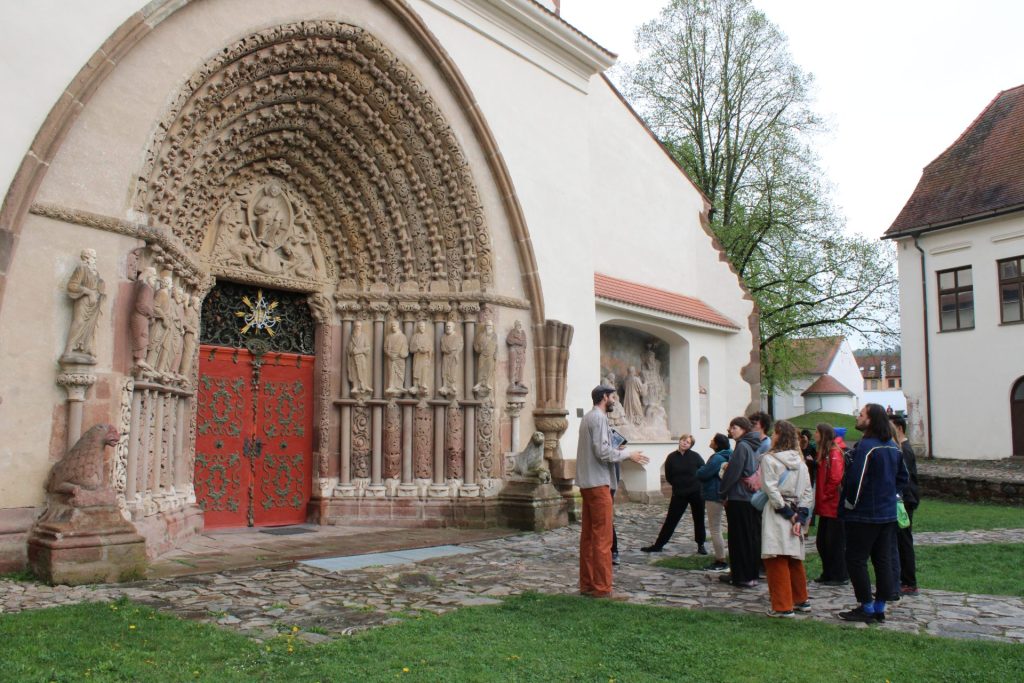
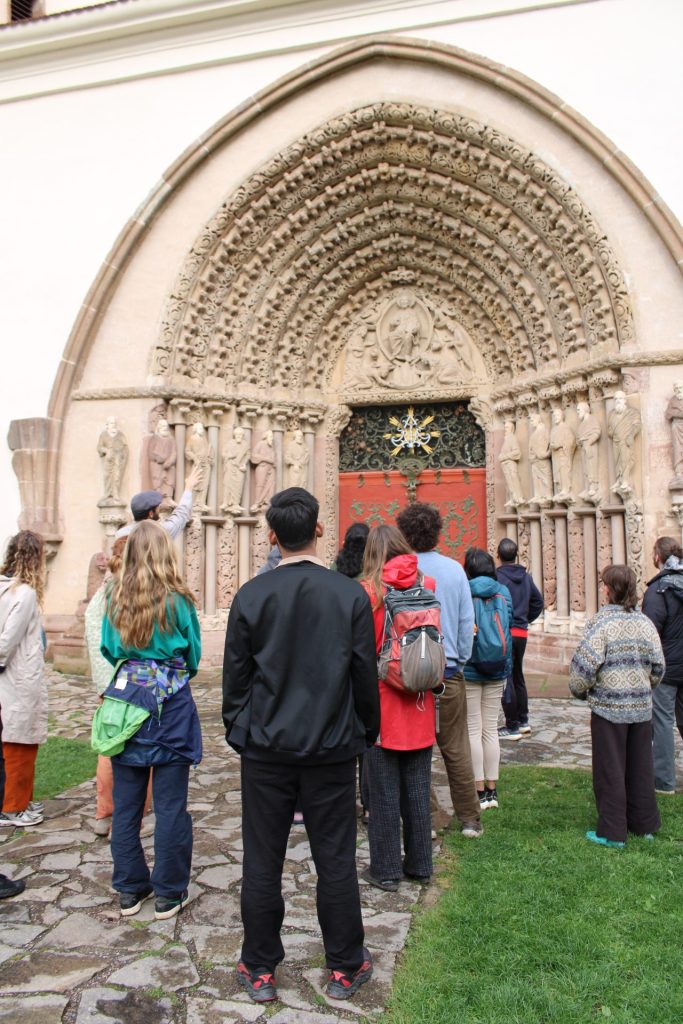
We were hosted by NaZemi at NaNebi, a workshop and community space located inside the grounds of the Porta Coeli Monastery, a 13th-century Cistercian convent, where a community of sisters still lives today. Ancient stone walls, gardens in full spring bloom, shared meals, a fire pit, and the quiet rhythm of the monastery created a setting that naturally invited reflection, connection, and presence.
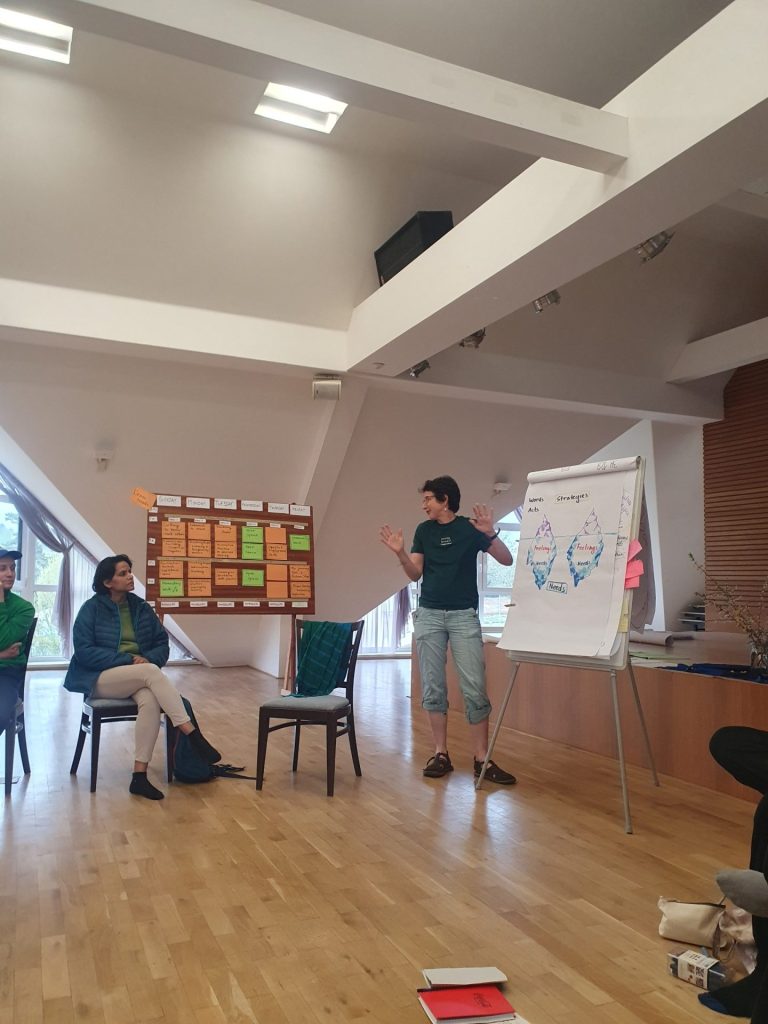
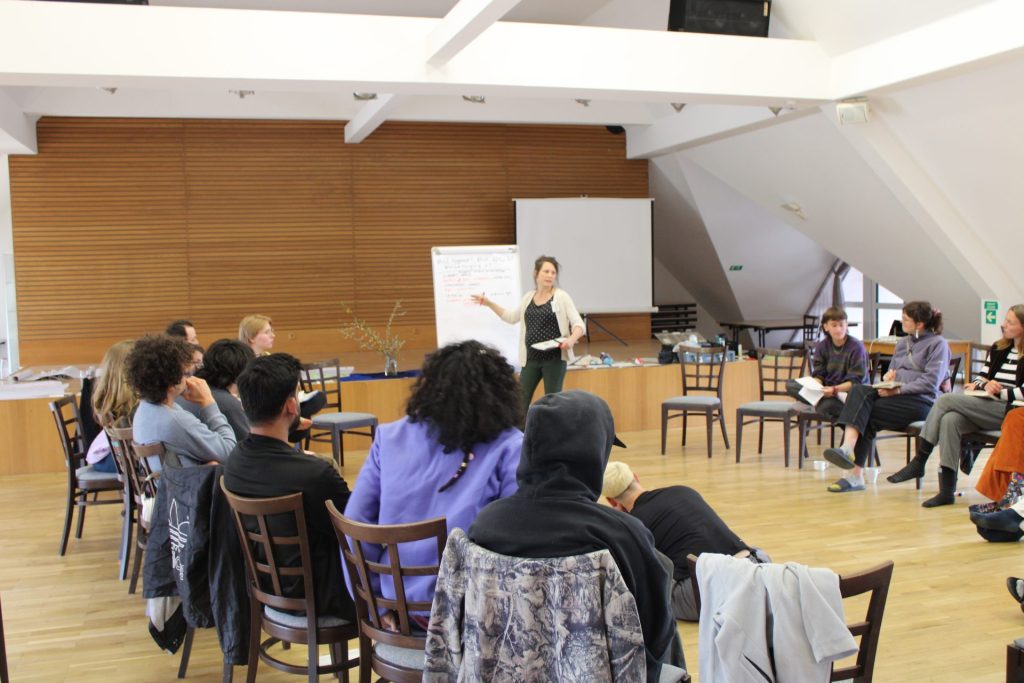
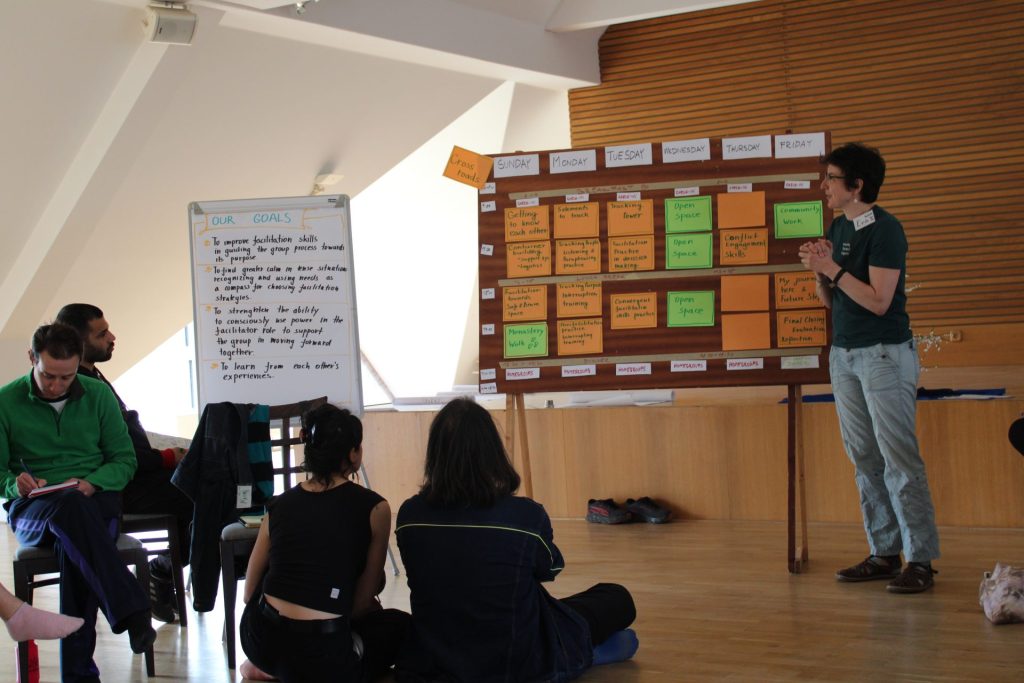
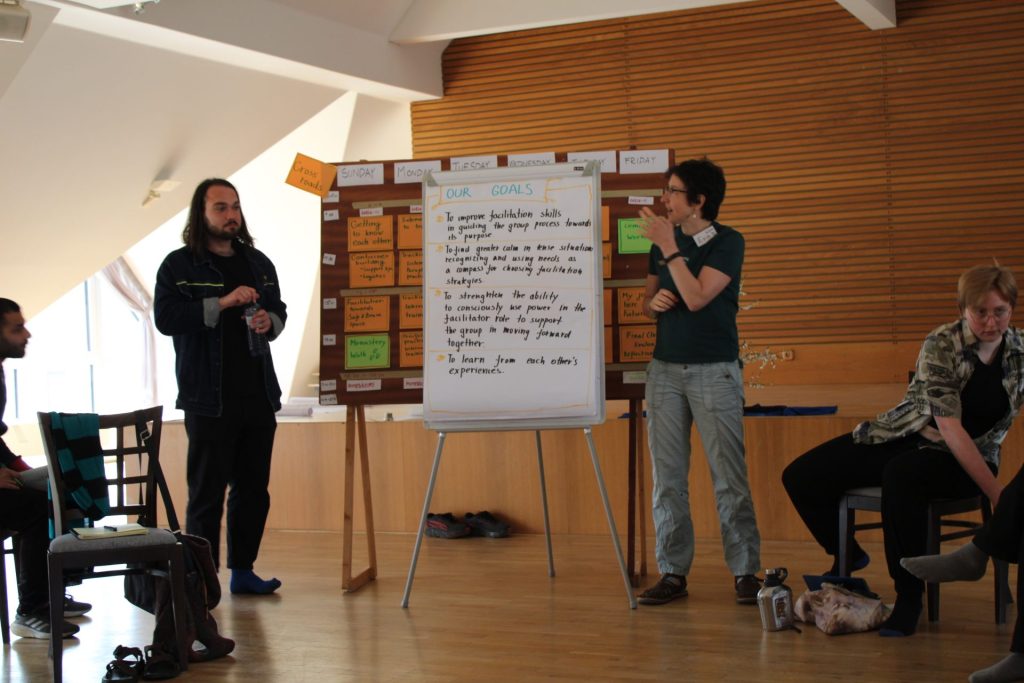
The training was facilitated by Eva Malířová and Tereza Kulhánková, who guided the week with clarity, attentiveness, and care. The programme itself was shaped around some of the central themes of the project: facilitation skills, conflict transformation, power dynamics, emotional awareness, and participatory leadership. Additionally, two members of the CAMBIO team, Flor De Matos and Henrike Fabienne Resch, supported inclusion practices and graphic facilitation of the sessions.
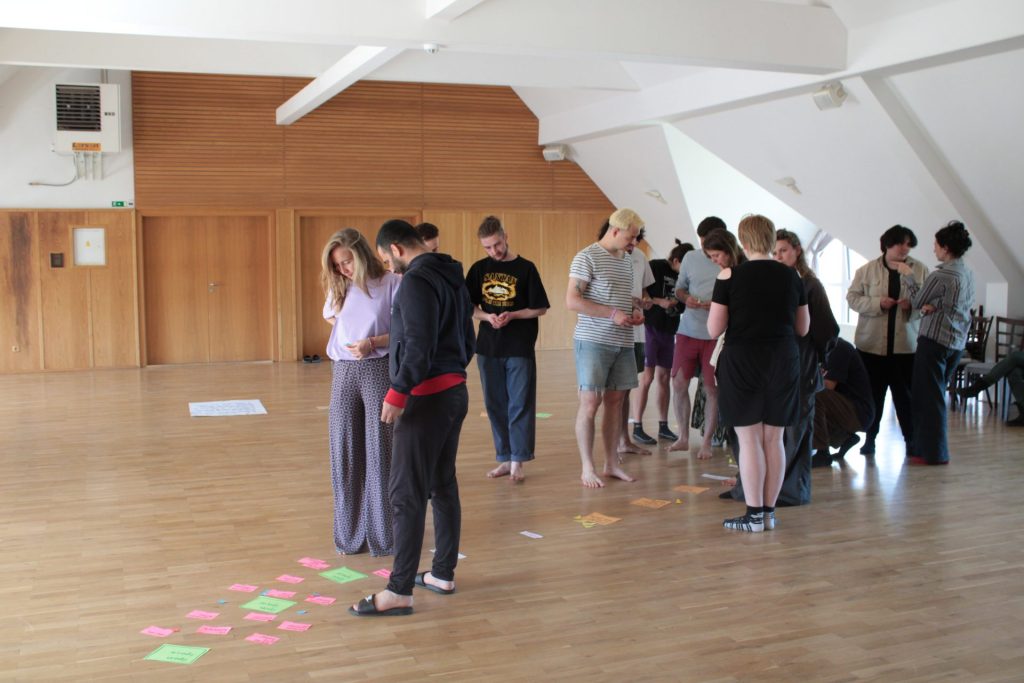
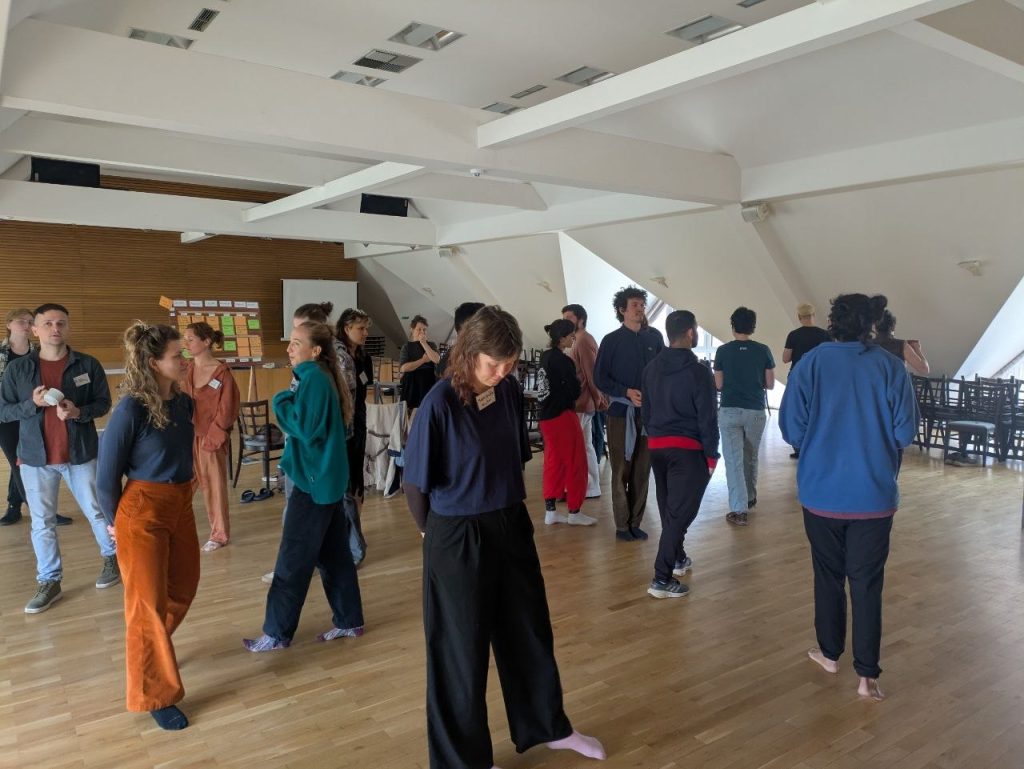
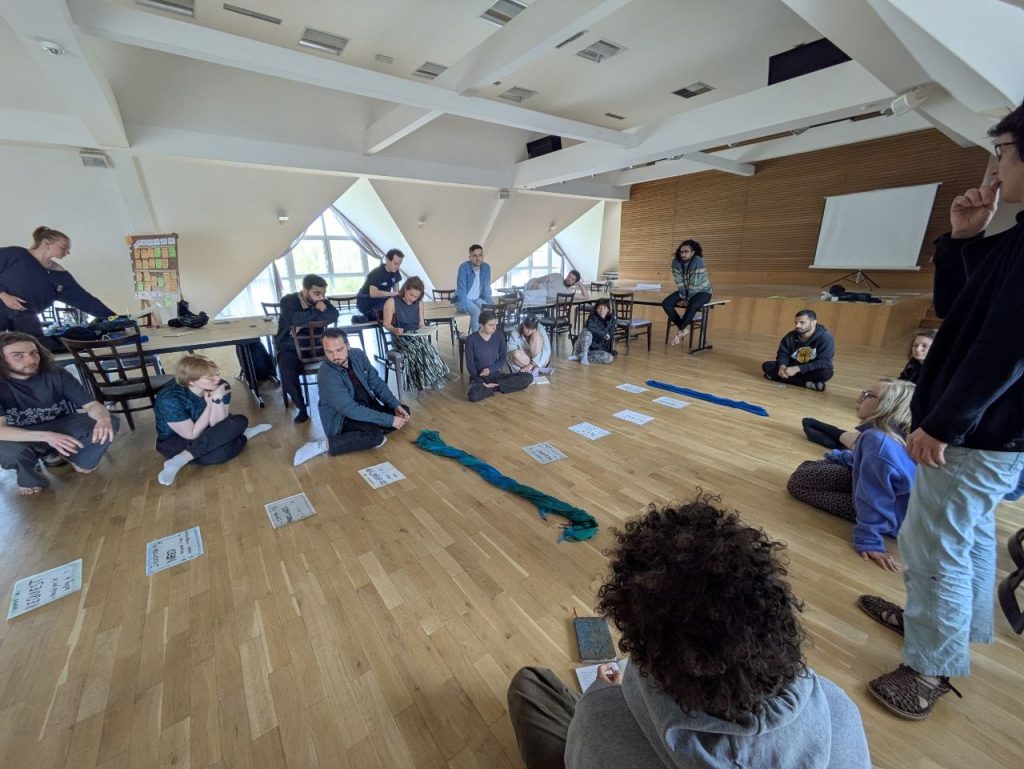
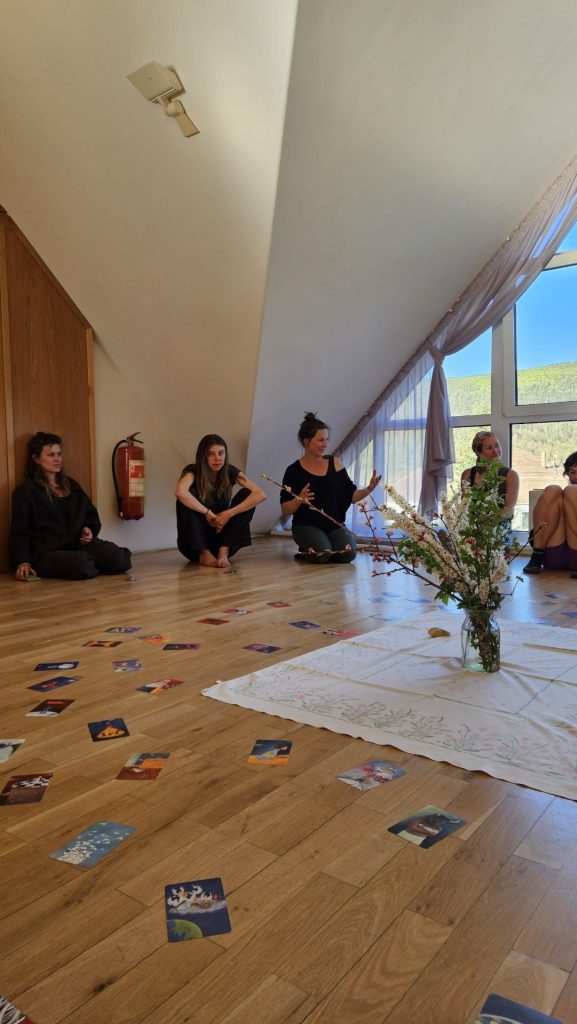
The first day focused on “creating the vessel”. Through getting to know each other’s activities, group agreements, and conversations around what makes a space feel both safe and brave, participants slowly built the foundations for the week ahead. A guided walk through the monastery and its history helped root the group in the place itself, connecting the learning process with the stories and layers already present there.
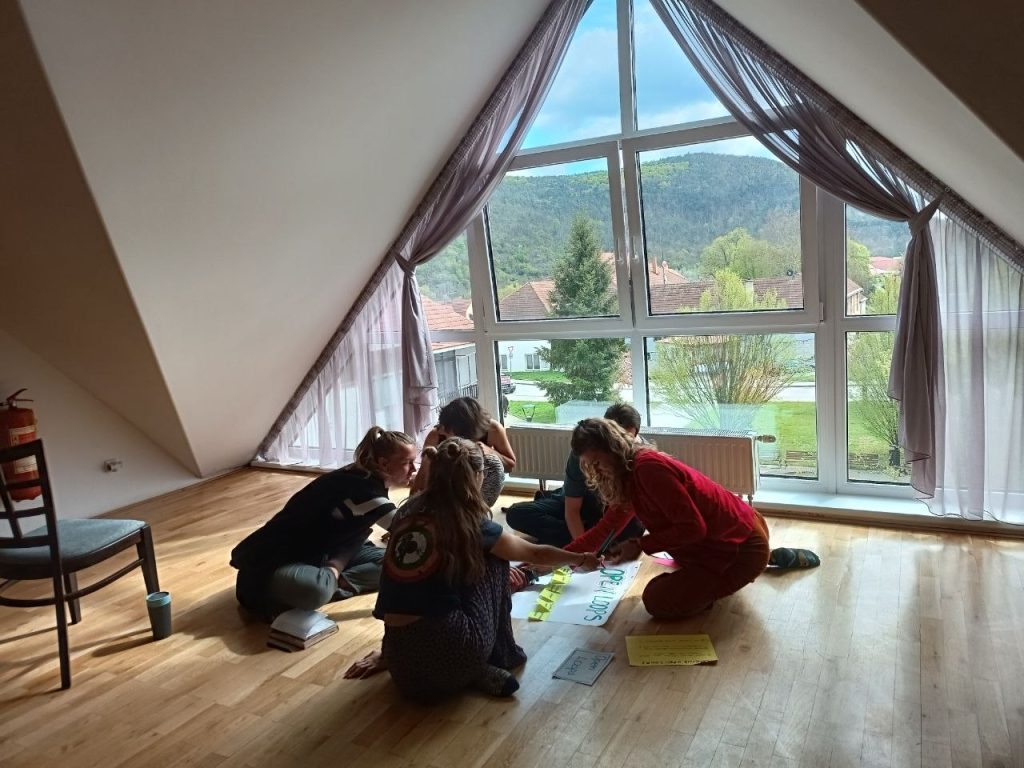
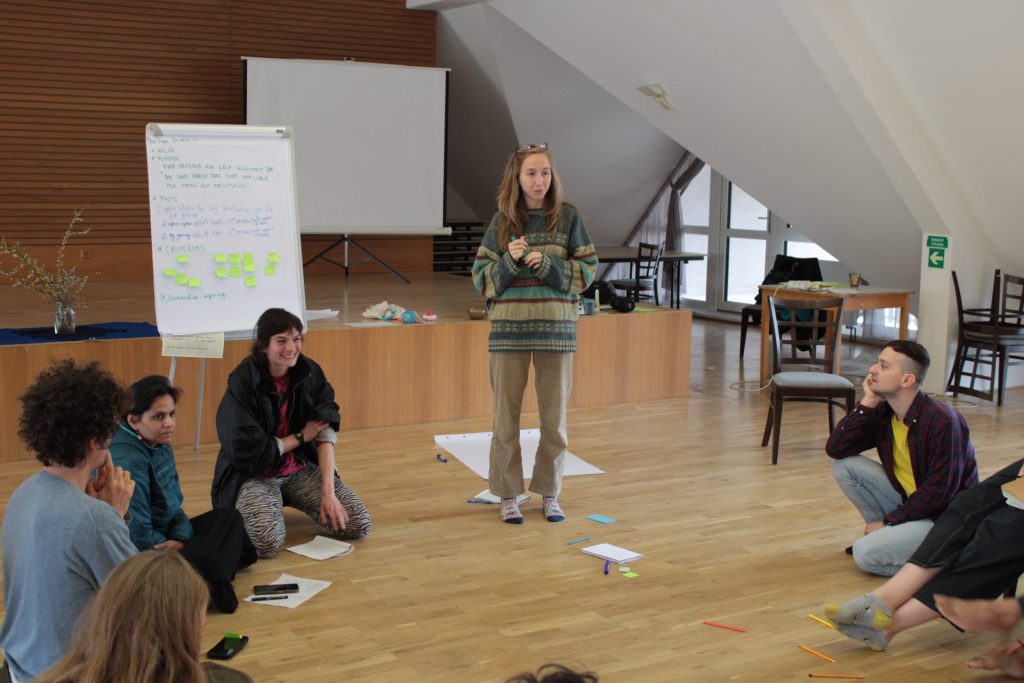
From there, the training moved deeper into facilitation practice. Participants explored the five fields facilitators constantly hold and navigate: time, people, purpose, open loops, and power dynamics. What sounds simple on paper quickly revealed itself to be a delicate balancing act. Facilitation suddenly looked a bit less like “asking who wants to speak next” and a bit more like trying to conduct an orchestra while also being part of it.
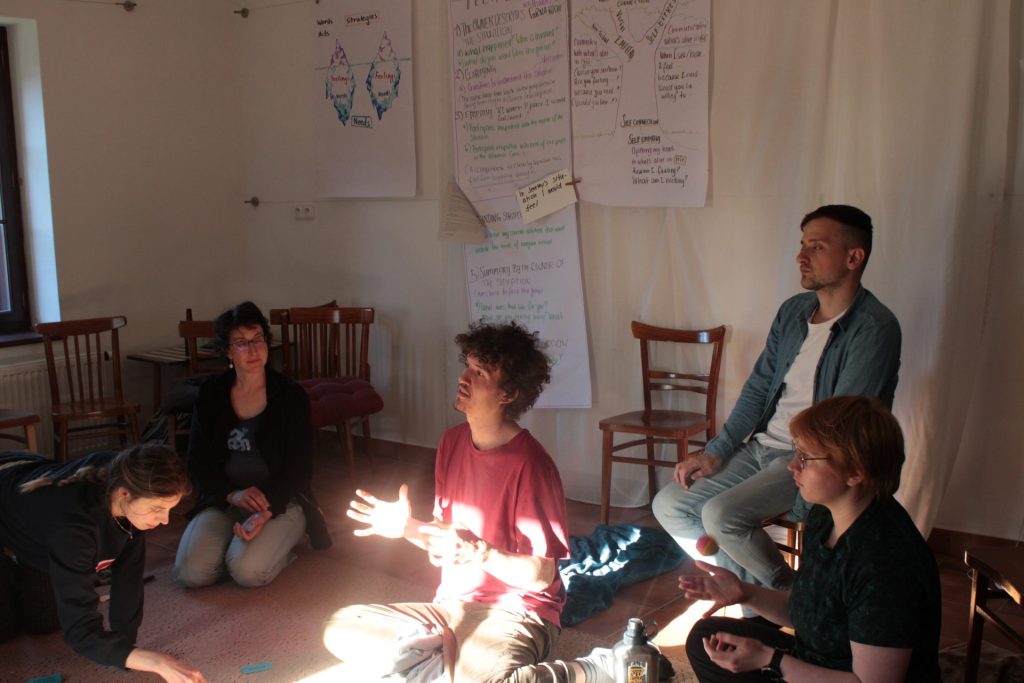
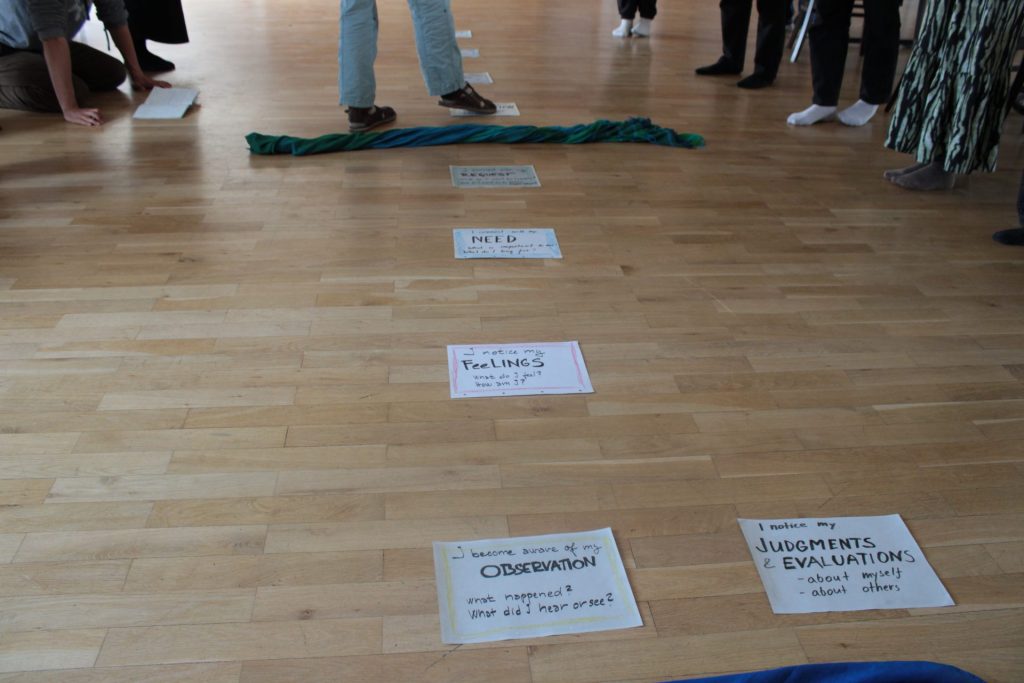
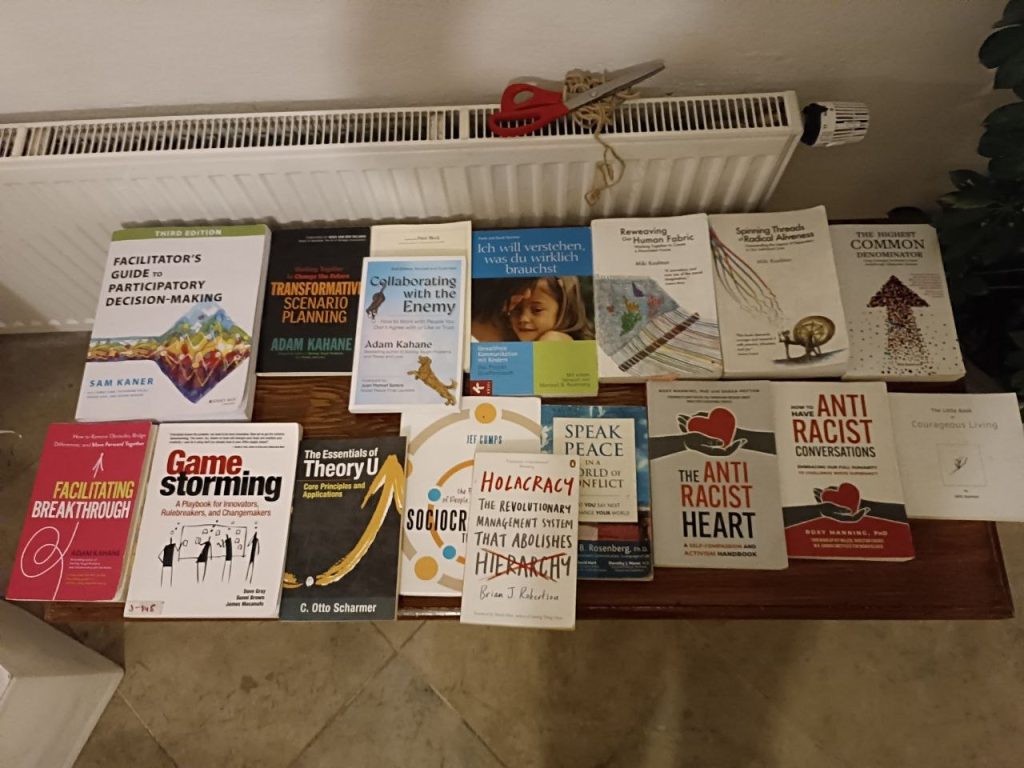
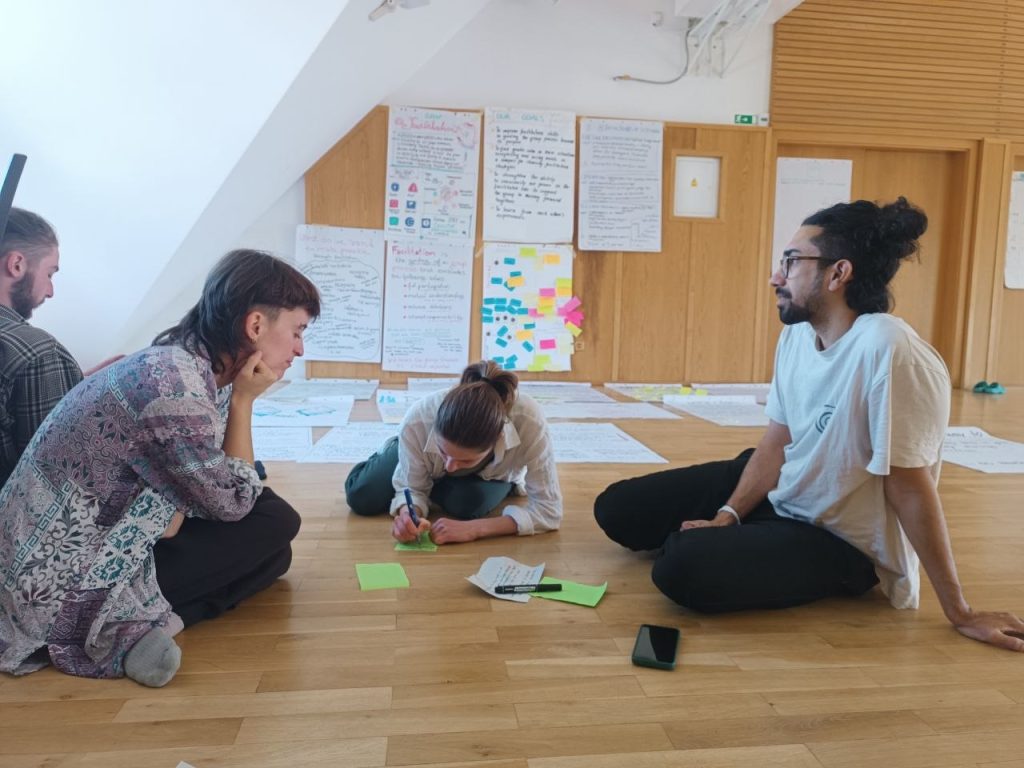
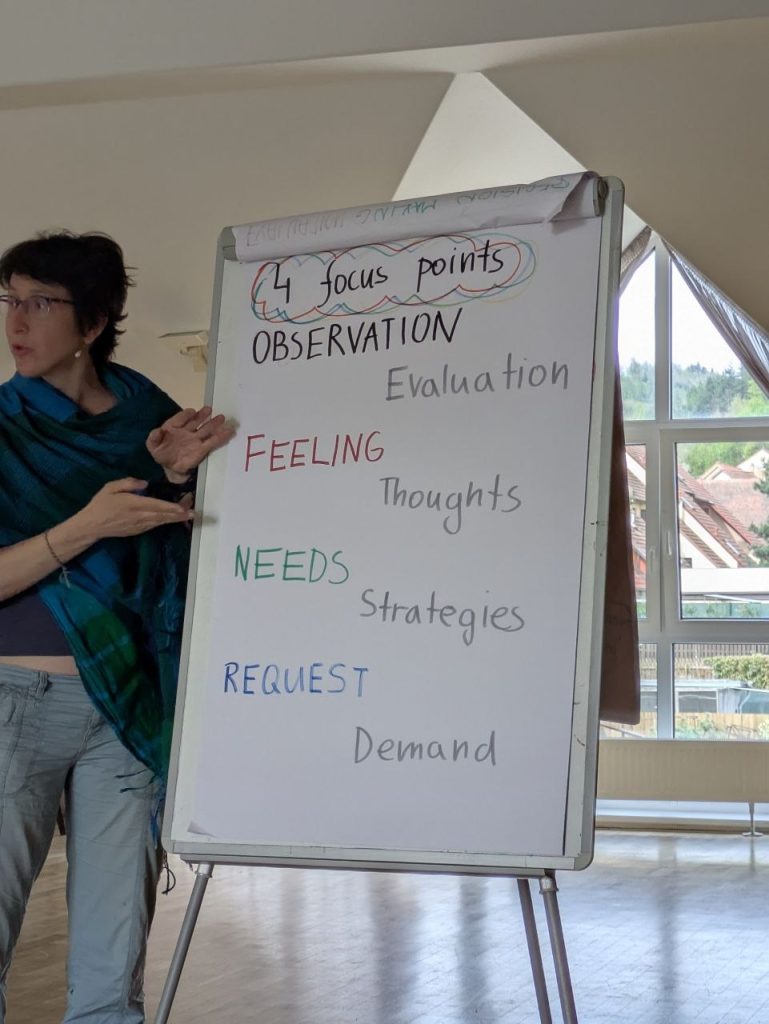
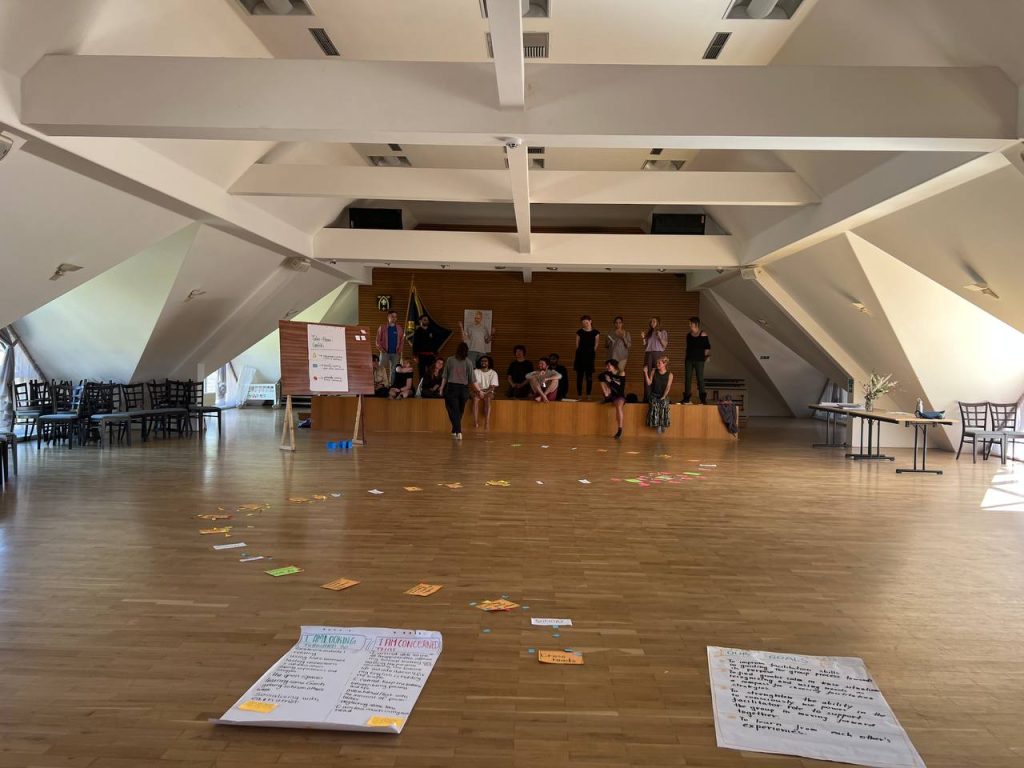
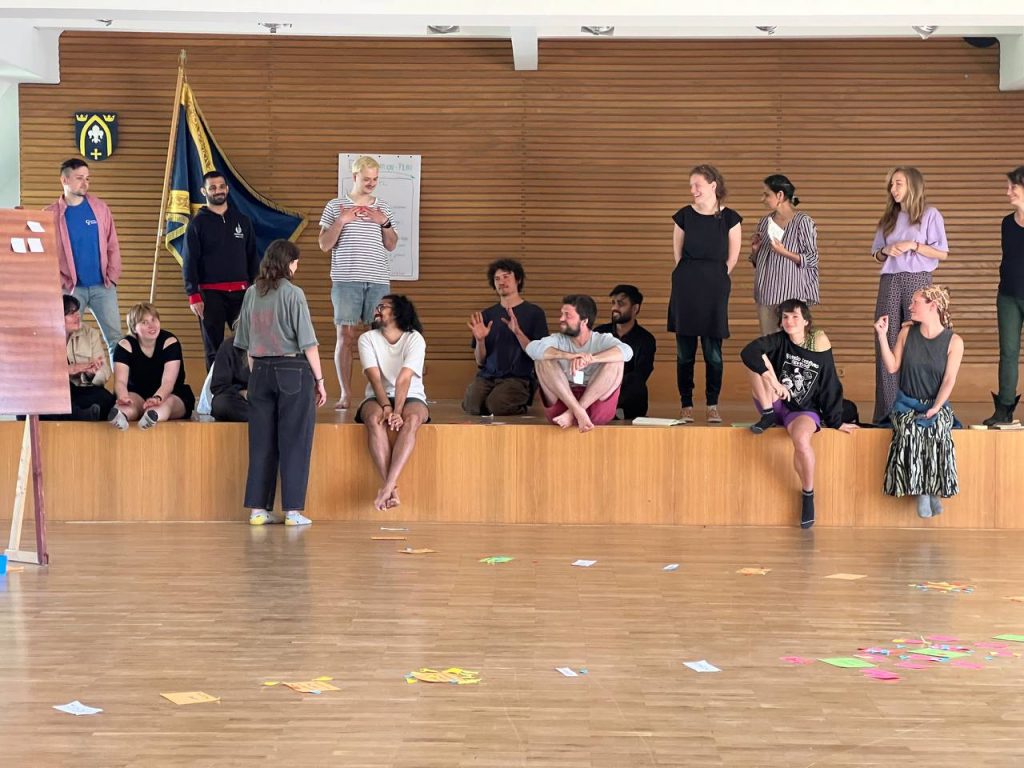
Working in small groups, participants trained concrete facilitation skills through practice-based exercises and simulations. Sessions explored Convergent Facilitation, conflict intervention, emotional awareness, active listening, and the challenge of balancing structure with flexibility. We practiced listening beyond words, noticing tensions and unmet needs underneath conversations, and reflecting what was heard in ways that could help groups feel genuinely understood.
Conflict management became one of the central themes of the week. Rather than seeing conflict as a catastrophe to avoid at all costs, the training approached it as a natural and potentially transformative part of collective processes. Through role plays, peer support structures, and group reflection, participants explored how facilitators can intervene with care, transparency, and accountability when tensions emerge. Nonviolent Communication served as a theoretical background for all the practices.
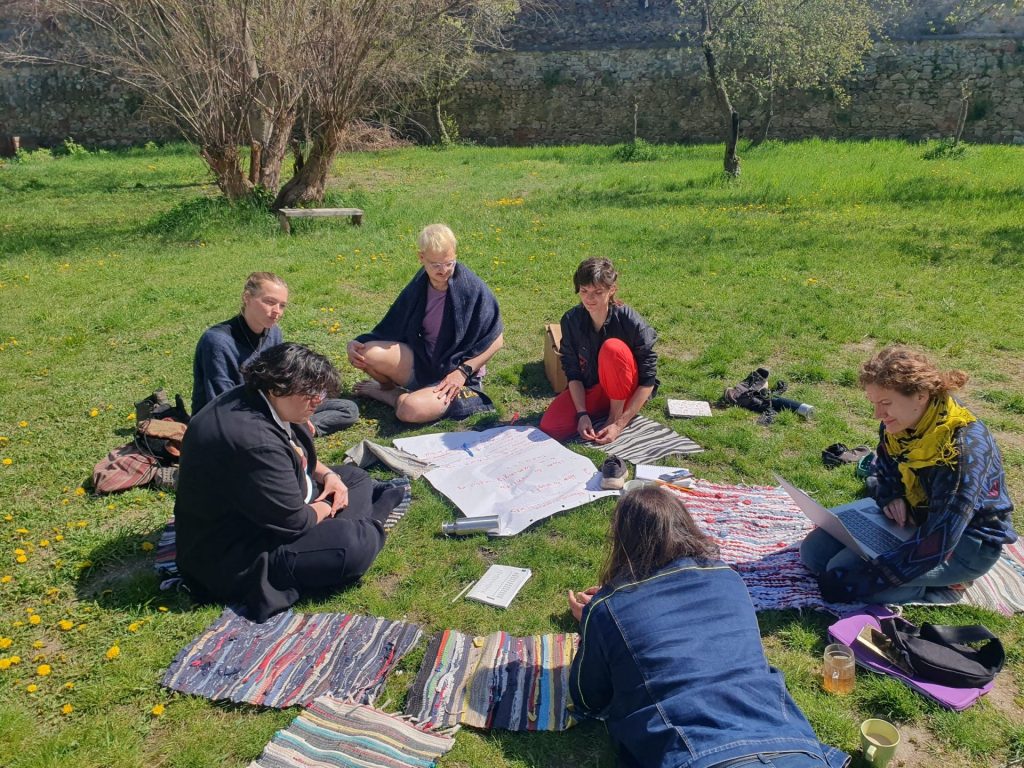
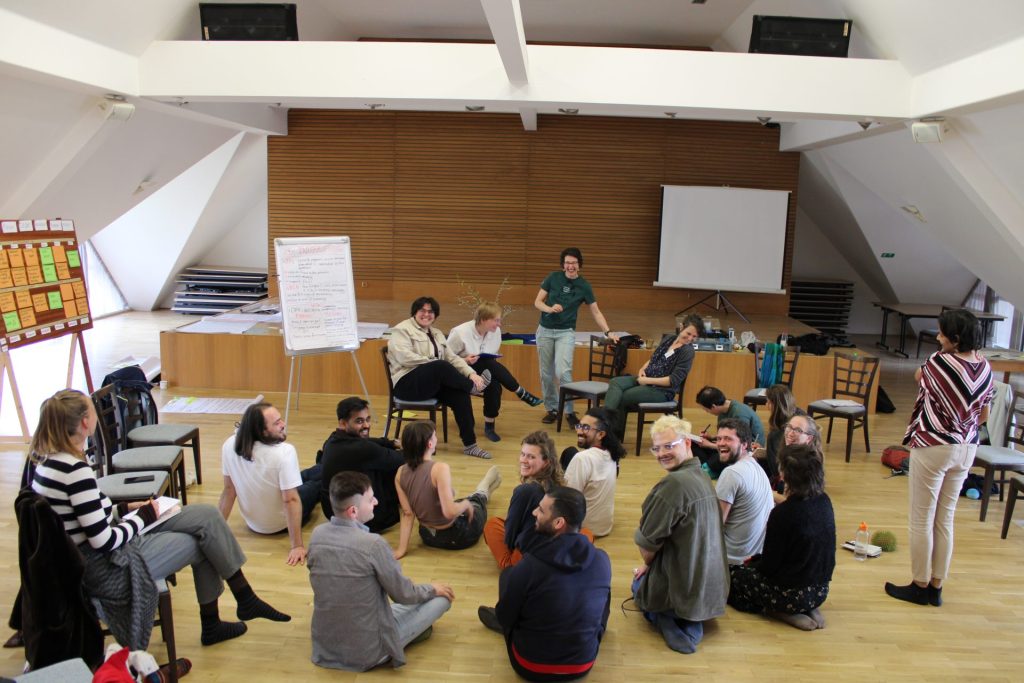
One particularly meaningful method was the peer empathy circle. Participants brought real situations and difficult experiences from their own projects, organisations, and communities into the space. Through structured listening and collective reflection, the group practiced staying present with complexity instead of rushing toward solutions. Again and again, the process reminded us how powerful it can be simply not to carry difficult group experiences alone.
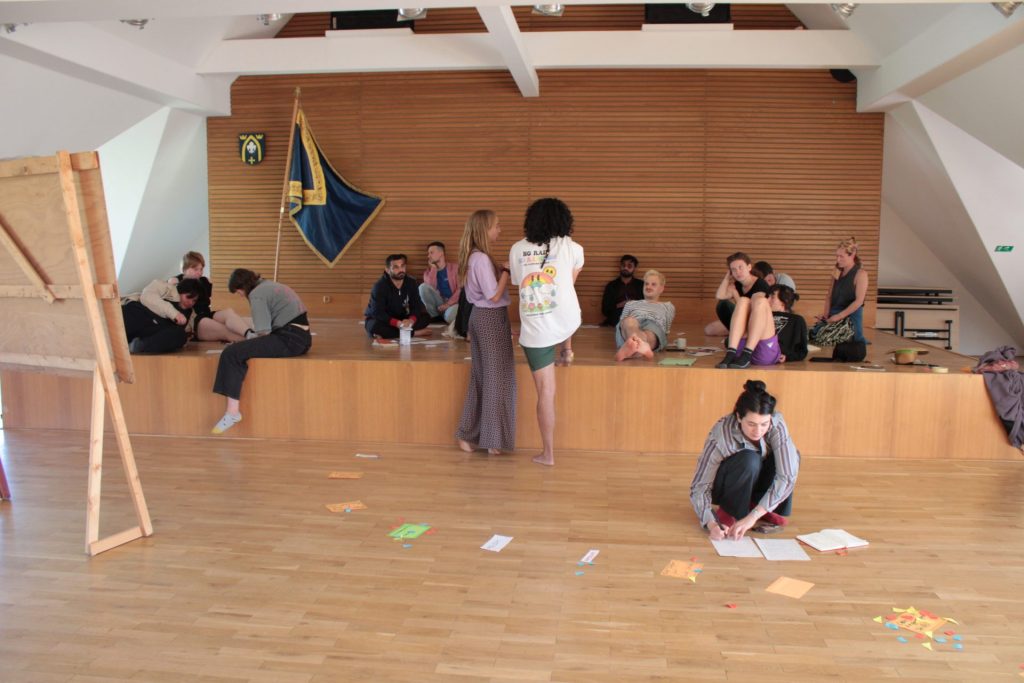
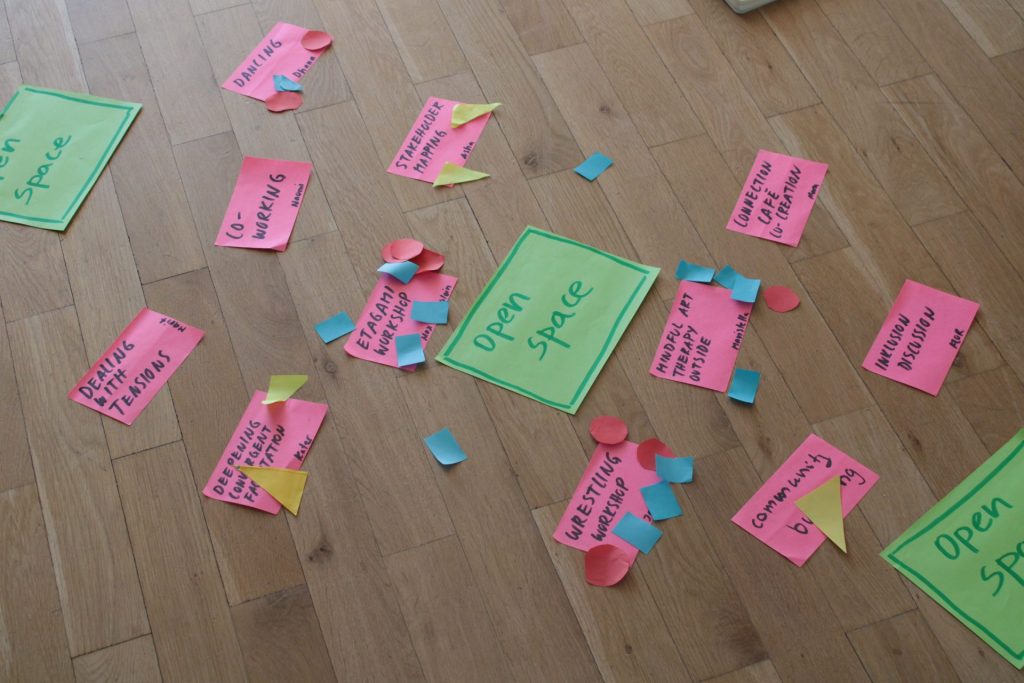
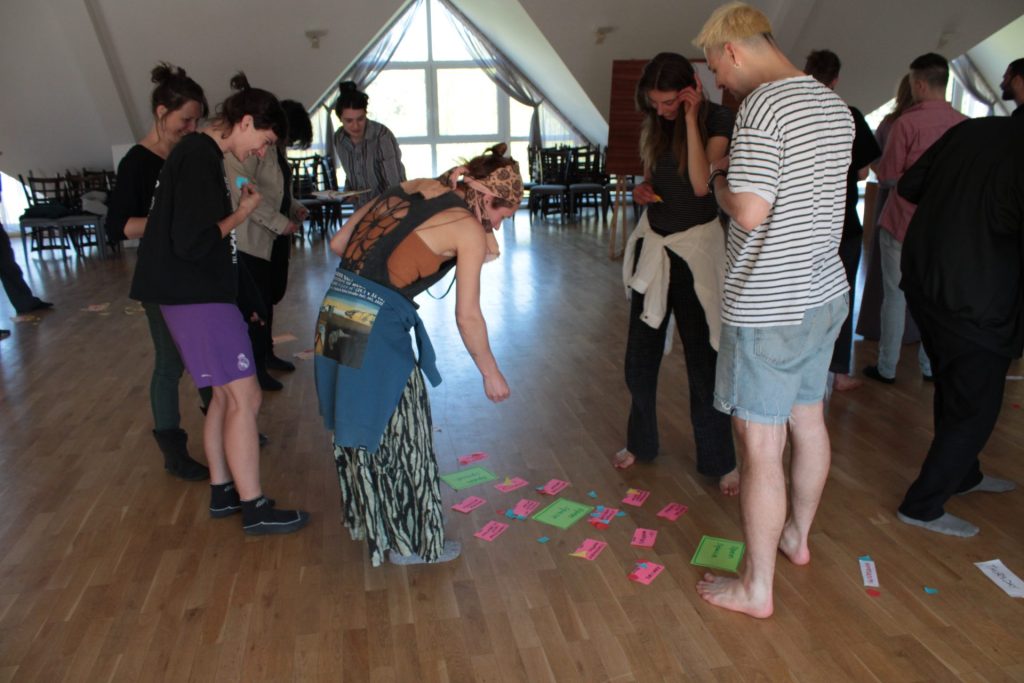
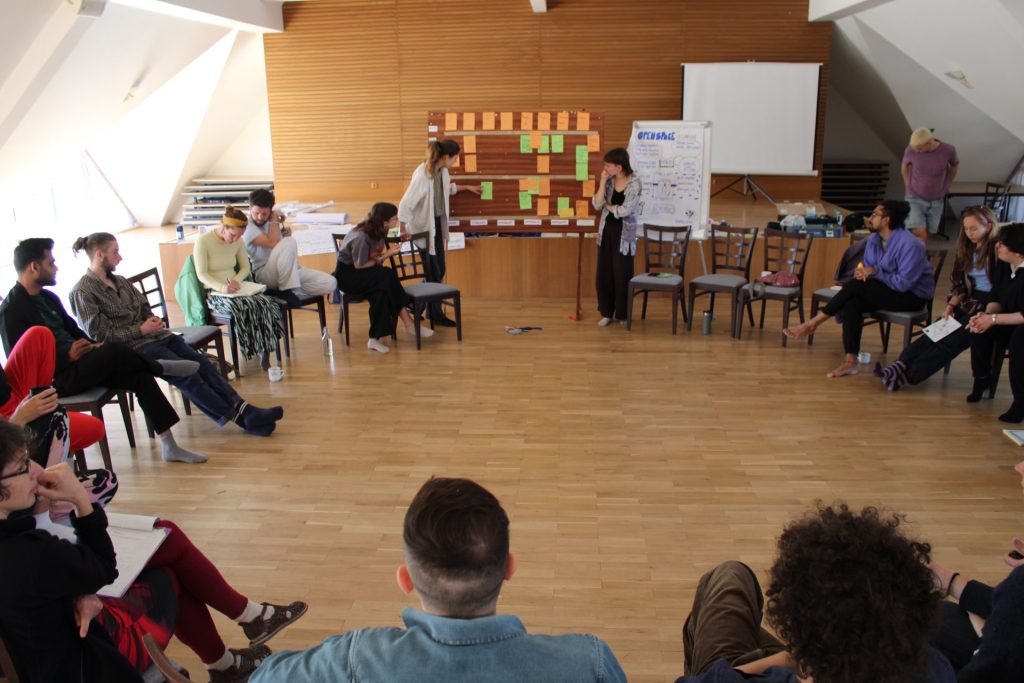
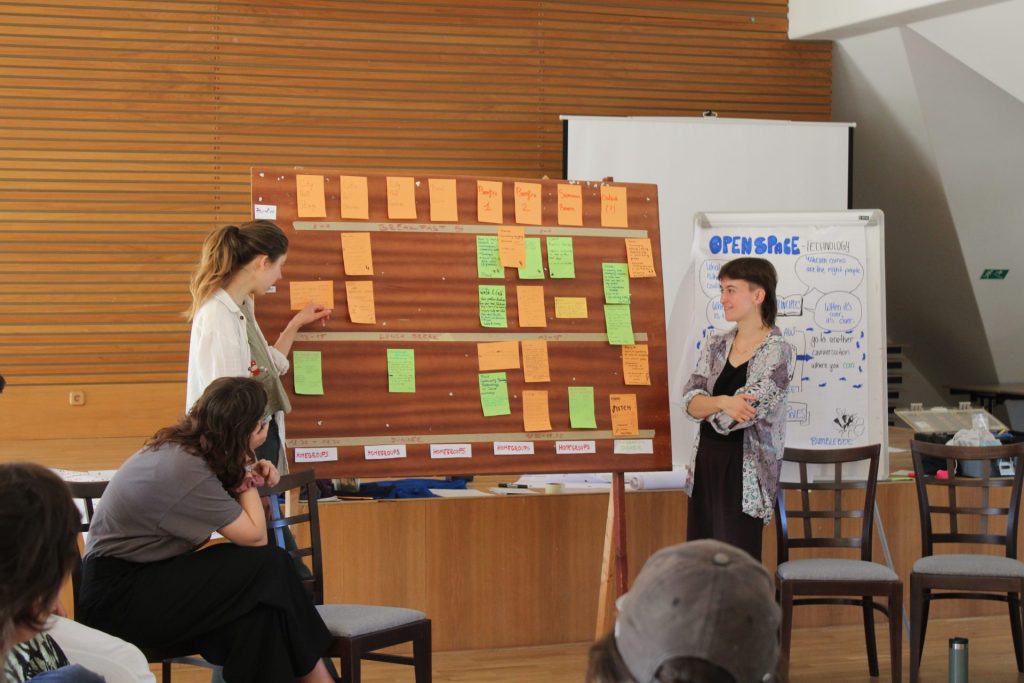
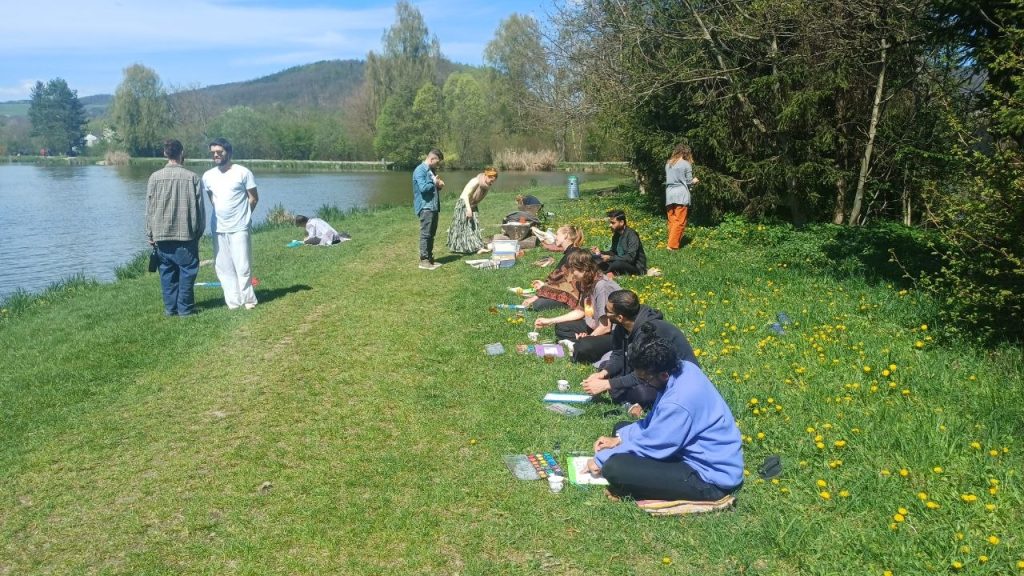
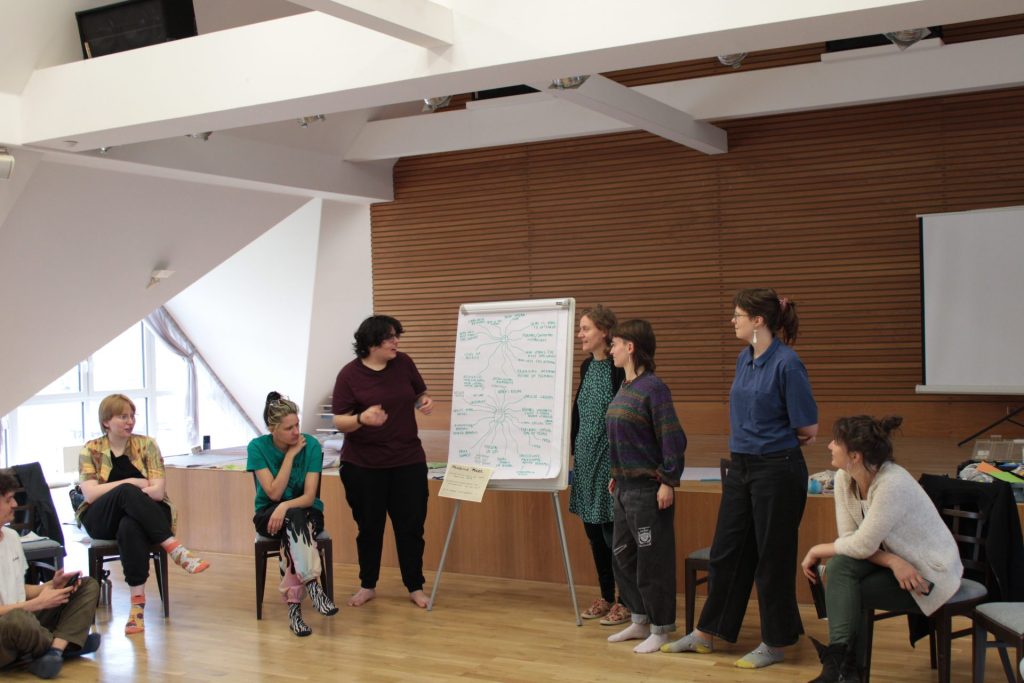
Day four opened entirely to the participants through an Open Space Technology. The schedule quickly filled itself with spontaneous sessions proposed by the group: art-based facilitation tools, nervous system regulation on facilitation, inclusion practices, stakeholder mapping, movement sessions, dance, community building, and, unexpectedly but very well attended, wrestling. The day became a living example of one of the project’s core ideas: that collective intelligence emerges when people are trusted to shape the learning process together.
Power dynamics formed another important thread throughout the week. Participants explored visible and invisible forms of power inside groups, where authority comes from, how privilege operates in facilitation spaces, and how decision-making processes can unintentionally exclude people. These conversations were not always easy, but they were honest, grounded, and deeply connected to the realities participants face in their own communities and organisations.
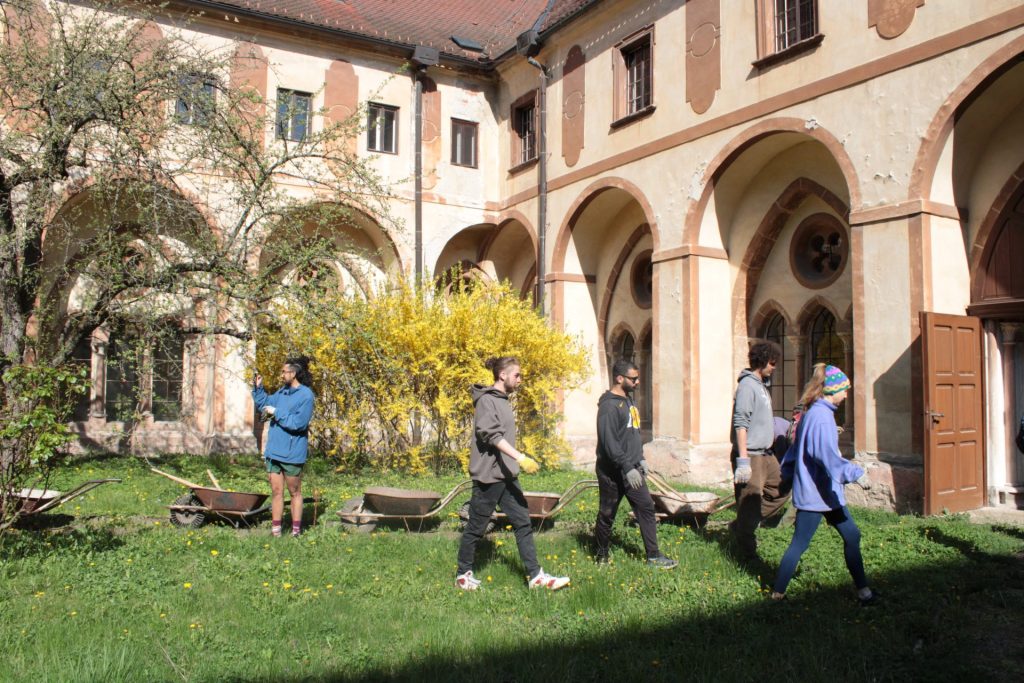
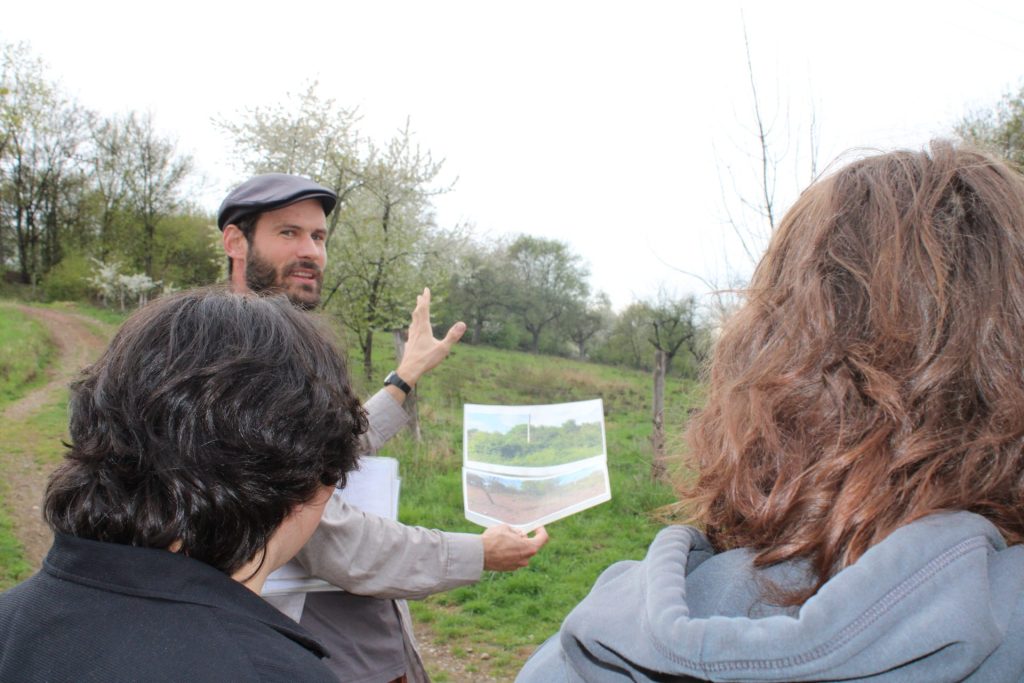
On the final morning, the focus shifted from learning to contribution. In the spirit of reciprocity, the group joined together for community work around the monastery grounds: organising storage spaces, moving heavy concrete plates for the reconstruction of the courtyard garden, and building fences in the yard. After days spent discussing cooperation and collective responsibility, ending the training through shared physical work felt surprisingly fitting. Nothing bonds a group faster than collectively carrying objects that are clearly heavier than anyone expected when they enthusiastically volunteered.
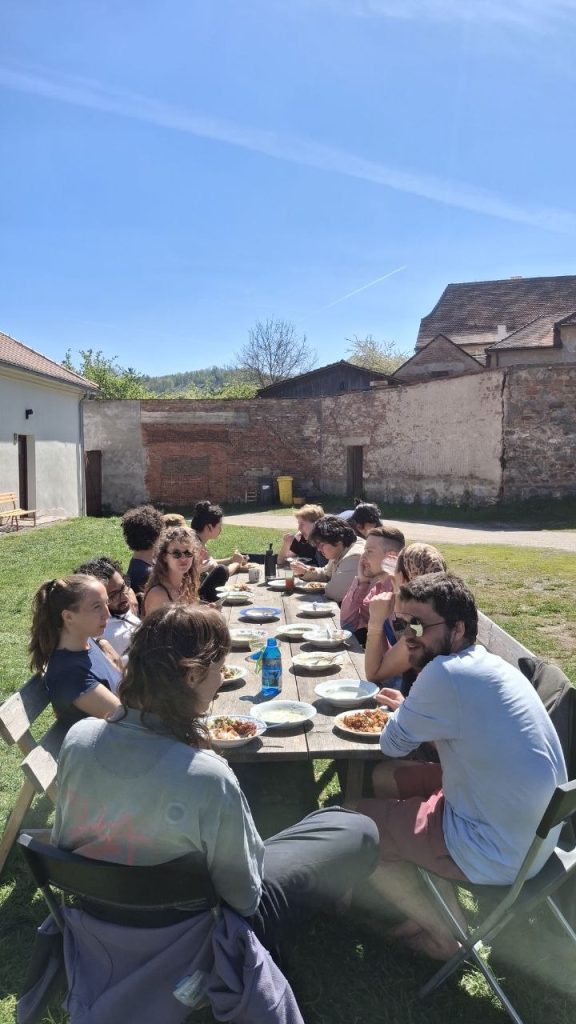
Throughout the week, NaNebi staff nourished us with incredible vegan food prepared from local and seasonal ingredients, creating yet another layer of care that shaped the atmosphere of the training. Meals became spaces of exchange, rest, laughter, and the quieter conversations that often hold as much learning as the workshops themselves.
Before leaving, participants reflected on what they were taking home. Some spoke about applying facilitation tools directly in their organisations and youth work practice. Others shared a renewed confidence in holding groups, navigating difficult conversations, or creating more inclusive spaces. Many left with new collaborations already emerging across countries and organisations, and at least a few probably left with the dangerous new habit of over analysing every group interaction they enter for the next months.
Group Dynamics in Action was not only a training course about facilitation. It became a living practice of it. Over six days, the group co-created a temporary community where learning happened not only through sessions and methods, but also through shared responsibility, care, disagreement, humour, reflection, and everyday moments together.
The journey of the Group Facilitation Path continues, along with the growing network of facilitators, youth workers, and organisers carrying these experiences back into their local communities across Europe.
Sie sehen gerade einen Platzhalterinhalt von Vimeo. Um auf den eigentlichen Inhalt zuzugreifen, klicken Sie auf die Schaltfläche unten. Bitte beachten Sie, dass dabei Daten an Drittanbieter weitergegeben werden.
Mehr InformationenSie sehen gerade einen Platzhalterinhalt von YouTube. Um auf den eigentlichen Inhalt zuzugreifen, klicken Sie auf die Schaltfläche unten. Bitte beachten Sie, dass dabei Daten an Drittanbieter weitergegeben werden.
Mehr InformationenSie müssen den Inhalt von reCAPTCHA laden, um das Formular abzuschicken. Bitte beachten Sie, dass dabei Daten mit Drittanbietern ausgetauscht werden.
Mehr Informationen


